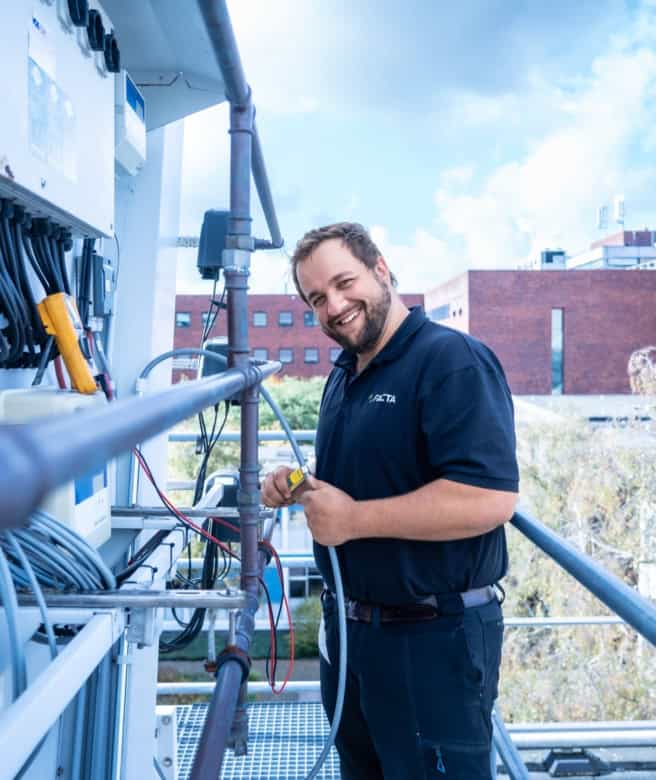
Inspections and testing

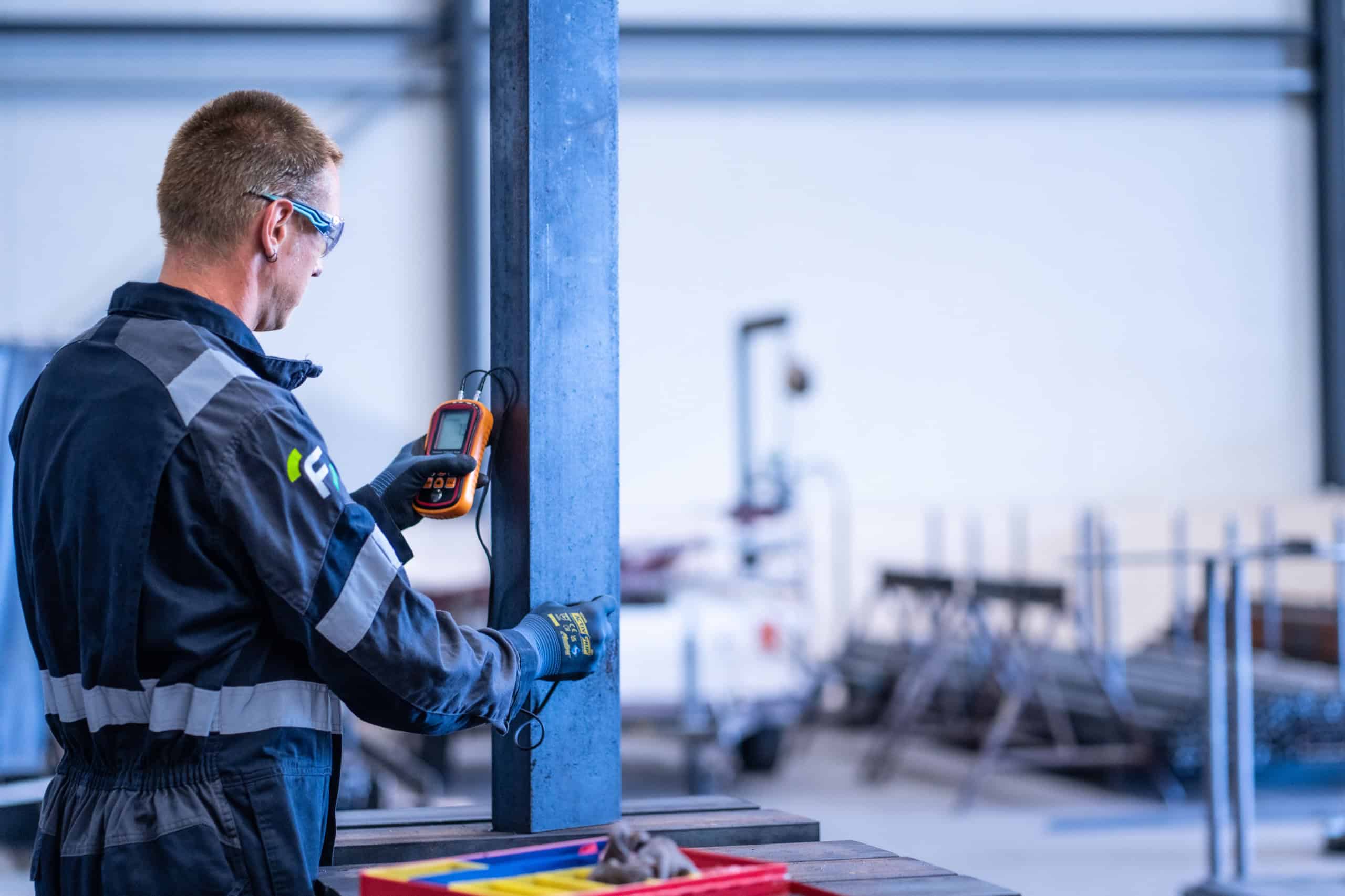
From NEN 3140, SCIOS Scope 8 and Scope 10 inspections to testing steel structures and lifting equipment. We inspect, report, and resolve faults for you.

Clarity through insight

An inspection or test provides clear information about the condition and safety of your installations. This is important not only for periodic maintenance, but also when commissioning, during refurbishments, audits, or in insurance matters. By identifying risks at an early stage, downtime is minimised wherever possible. 

With us, it never stops at simply delivering a report. If a defect is found during an inspection, we immediately look for a suitable solution. By combining inspection, advice and repairs, we offer a practical approach with a single point of contact. 
  • Immediate repair of defects

    Issues found during an inspection? We resolve them on the spot wherever possible.

  • Certified to applicable standards

    Inspections carried out to NEN 3140, SCIOS Scope 8 and Scope 10 requirements.

  • Clear reports and practical advice

    Clear insight into the status of installations, including specific areas for improvement.

  • One point of contact for the entire process

    From inspection and reporting to repairs and aftercare. Everything under one roof.

Our inspections and testing

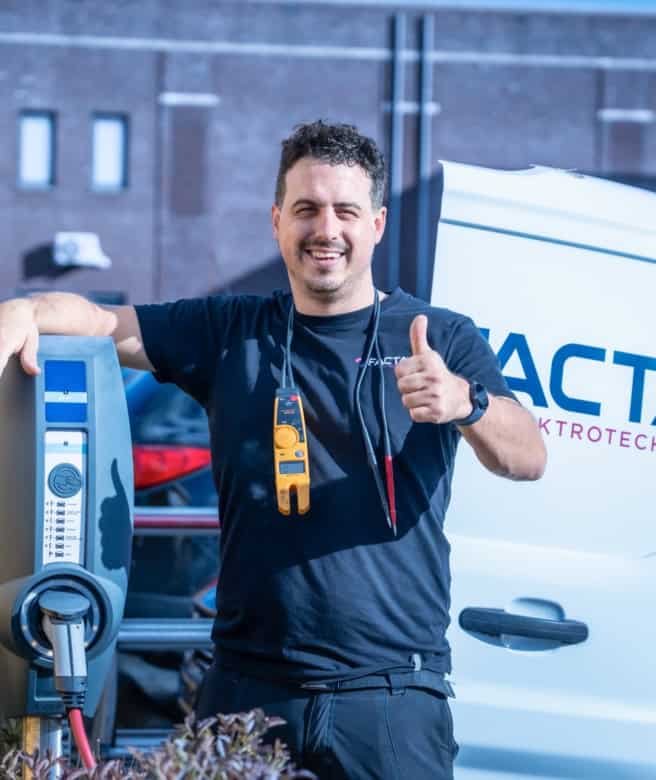
EKH inspections

Find out more

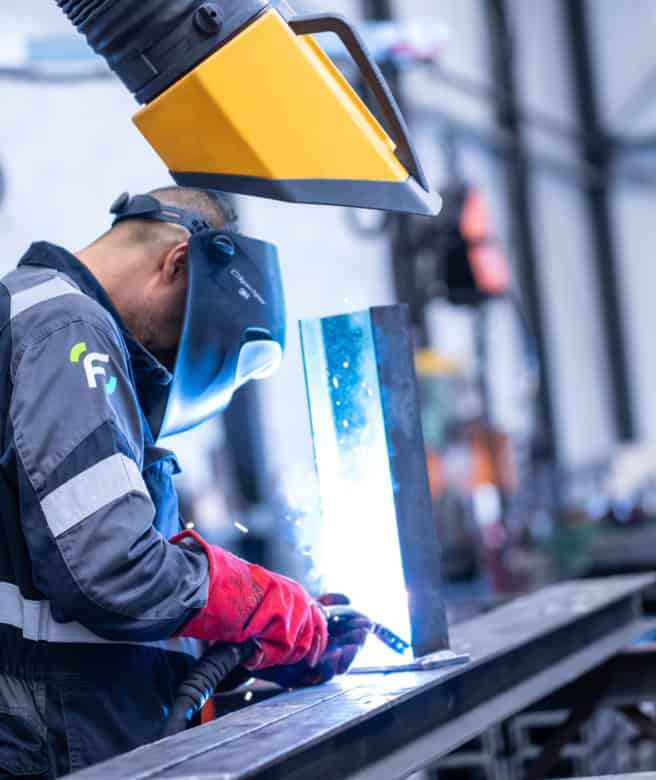
Structural steel inspections

Find out more

SCIOS Scope 8

Find out more

SCIOS Scope 10

Find out more

Frequently asked questions

When is a NEN 3140, SCIOS Scope 8 or Scope 10 inspection required?

An inspection may be necessary for a variety of reasons, such as scheduled maintenance, commissioning of a new installation, a renovation or relocation. Insurers, certifications like ISO or VCA and internal safety guidelines may also require an inspection. Timely inspections give you insight into potential risks and ensure that installations operate safely and reliably. 

What happens if defects are found during an inspection?

During an inspection, we clearly identify any deviations and risks. It doesn’t stop at reporting. Where possible, we resolve defects immediately, for example when dealing with faulty components, loose connections or overheating in an installation. This way, risks are quickly removed and you don’t need to coordinate between multiple parties. After the inspection, you’ll receive a clear report with our findings, work carried out and any recommendations. 

How often should an installation be inspected?

The recommended inspection frequency depends on several factors, such as the type of installation, how intensively it is used, the environment and any requirements from an insurer or certifying body. In some cases, an annual inspection is advisable, while in others a longer interval is sufficient. Based on the installation and the relevant standards, we provide appropriate advice to ensure safety, business continuity and compliance. 

Should steel structures also be inspected periodically?

Yes, periodic inspections of steel structures help to identify wear, corrosion, damage and structural deviations at an early stage. This is important for the safety of employees, the reliability of installations, and prolonging the lifespan of the structure. After the inspection, you will receive a clear report with our findings and advice, so any measures can be planned and carried out in time. 

Foto van medewerkster aan de telefoon

Contact us. You can call, email or fill in the contact form. We respond quickly and are happy to help.

T: 088 6000 200
@: info@facta.nl

Available 24/7